Muskegon County Jail Inmate Roster Search
This site is not owned or operated by any state government agency, read more.
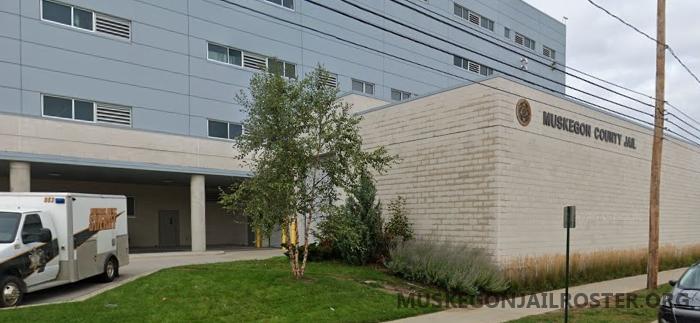
The Muskegon County Jail is a Type I correctional facility that houses adult men and women awaiting trial or serving sentences of less than one year. The facility is located at 990 Terrace Street, Muskegon, MI 49440 and is staffed by approximately 150 employees. The jail serves the cities of Muskegon, Muskegon Heights, Norton Shores, Roosevelt Park, and the townships of Fruitport, Laketon, Muskegon, Norton Shores, Ravenna, Sullivan, and White River.
Muskegon County Jail Inmate Lookup
To search for an offender in Muskegon County Jail, MI, follow these steps:
- Visit the Muskegon County Jail website.
- Click on the "Jail Roster" link.
- Enter the offender's last name or booking number in the search field.
- Click the "Search" button.
- Review the results of the search.
Tips for an Offender Search
- If you do not know the offender's last name, you can search by first name.
- If you do not know the offender's booking number, you can search by their date of birth.
- The jail roster is updated daily. If you do not find the offender you are looking for, try searching again the next day.
Jail Roster
The Muskegon County Jail roster contains a list of all offenders currently incarcerated in the facility. The roster includes the following information:
- Booking Number
- Last Name
- First Name
- Date of Birth
- Release Date
- Criminal Charges
The jail roster is updated daily and is available online. To view the roster, visit the Muskegon County Jail website and click on the "Jail Roster" link.
Inmate Call System
The Muskegon County Jail uses a Securus Technologies inmate call system. Inmates are allowed to make phone calls to friends and family members, but all calls are monitored and recorded.
Regulations and Guidelines for Use
- Inmates are allowed to make phone calls during designated hours only.
- Inmates are limited to a certain number of phone calls per week.
- Inmates are not allowed to make collect calls.
- Inmates are not allowed to call 911.
- Inmates are not allowed to call other inmates.
How to Call an Inmate
To call an inmate at the Muskegon County Jail, you will need to:
- Call the Securus Technologies inmate call center at (800) 844-6591.
- Follow the prompts to create an account.
- Once you have created an account, you can add the inmate to your call list.
- When you are ready to call the inmate, simply dial the Securus Technologies inmate call center number and follow the prompts.
Can Inmates Receive Calls at Muskegon County Jail?
No, inmates at the Muskegon County Jail cannot receive calls.
Inmate Messaging
Inmates at the Muskegon County Jail cannot send or receive voice or text messages.
Detainee Mail
To send mail to an inmate at the Muskegon County Jail, you will need to:
- Address the envelope as follows:
Inmate's Name
Booking Number
Muskegon County Jail
990 Terrace Street
Muskegon, MI 49440- Use white envelopes only.
- Do not use stamps.
- Do not send cash or money orders.
- Do not send any of the following items:
- Hardback books
- Magazines
- Newspapers
- Food
- Tobacco products
- Drugs
- Weapons
- Pornography
- Anything else that is illegal or could be used to facilitate a crime
Guidelines for Sending Mail to Inmates
- All mail is opened and inspected by jail staff before it is delivered to inmates.
- Mail that contains contraband will be confiscated and destroyed.
- Mail that contains threats or other inappropriate content may be withheld from the inmate.
Sending Care Packages to Inmates
Care packages can be sent to inmates at the Muskegon County Jail through JPay. JPay is a company that provides a variety of services to inmates, including the ability to receive care packages.
To send a care package to an inmate, you will need to:
- Create a JPay account.
- Add the inmate to your contact list.
- Select the care package items that you would like to send.
- Pay for the care package.
Sending Money to Inmates
There are two ways to send money to an inmate at the Muskegon County Jail:
- Through JPay
- Through the mail
To send money to an inmate through JPay, you will need to:
- Create a JPay account.
- Add the inmate to your contact list.
- Select the amount of money that you would like to send.
- Pay for the money transfer.
To send money to an inmate through the mail, you will need to:
- Send a money order made payable to the inmate.
- Address the money order to the inmate at the following address:
Inmate's Name
Booking Number
Muskegon County Jail
990 Terrace Street
Muskegon, MI 49440
Regulations and Limitations for Sending Money
- Inmates are limited to receiving a maximum of $200 per week.
- Money orders must be in the inmate's name only.
- Money orders cannot be endorsed or transferred to another inmate.
Visitation
Procedure for Arranging a Visit
To arrange a visit with an inmate at the Muskegon County Jail, you will need to:
- Create a Securus Technologies account.
- Add the inmate to your contact list.
- Schedule a visit.
Rules and Regulations for Visits
- All visitors must be at least 18 years old.
- All visitors must have a valid photo ID.
- Visitors are subject to search.
- Visitors are not allowed to bring any contraband into the jail.
- Visitors are not allowed to touch or hug inmates.
- Visitors are not allowed to talk about illegal activities.
- Visitors are not allowed to give inmates money or other items.
Visitation Hours
- Tuesdays and Thursdays: 8:00 AM - 11:00 AM and 1:00 PM - 4:00 PM
- Saturdays and Sundays: 9:00 AM - 11:00 AM and 1:00 PM - 4:00 PM
Video Visitation
The Muskegon County Jail offers video visitation for inmates. Video visitation allows inmates to visit with their loved ones from anywhere in the world.
To use video visitation, you will need to:
- Create a Securus Technologies account.
- Add the inmate to your contact list.
- Schedule a video visit.
Inmate Commissary
The commissary is a store that sells a variety of items to inmates, such as food, clothing, and hygiene products. The commissary is used to supplement the meals and supplies that are provided by the jail.
How Inmates Can Use the Commissary
Inmates can purchase items from the commissary using money that is deposited into their account. Inmates can deposit money into their account through JPay or through the mail.
Restrictions on Commissary Use
Inmates are limited to spending a certain amount of money on commissary items each week. The amount of money that an inmate is allowed to spend on commissary items depends on their classification.
Inmates are not allowed to purchase certain items from the commissary, such as tobacco products, drugs, and weapons.
Release Information
Inmates are released from the Muskegon County Jail when their sentence is complete, they are acquitted of all charges, or they are granted bail.
Who Can Be Released
Inmates who are eligible for release include:
- Inmates who have served their full sentence
- Inmates who have been acquitted of all charges
- Inmates who have been granted bail
- Inmates who have been granted a pardon or commutation of sentence
How to Get Inmate Release Information
To get inmate release information, you can:
- Call the Muskegon County Jail.
- Visit the Muskegon County Jail website.
- Write a letter to the Muskegon County Jail.
Security Level and Jail Staff
The Muskegon County Jail is a Type I correctional facility, which means that it houses adult men and women awaiting trial or serving sentences of less than one year. The jail has a variety of security measures in place to ensure the safety of inmates and staff, including:
- Secure doors and windows
- Security cameras
- Metal detectors
- Pat-downs
- Strip searches
Categories of Offenders Housed
The Muskegon County Jail houses the following categories of offenders:
- Pre-trial detainees
- Convicted misdemeanants
- Convicted felons serving sentences of less than one year
Role of Correctional Officers
Correctional officers are responsible for the safety and security of inmates and staff. They also provide a variety of services to inmates, such as:
- Providing meals and medical care
- Conducting searches
- Maintaining order
- Enforcing rules and regulations
Correctional Staff
The Muskegon County Jail is staffed by approximately 150 employees, including:
- Correctional officers
- Jail administrators
- Support staff
Correctional staff are trained to handle a variety of situations, including:
- Inmate disturbances
- Escapes
- Medical emergencies
- Mental health crises
Location and Contact Details
Official Address
980 Terrace St, Muskegon, MI 49442, United States
Official Phone Number
231-724-6351
Official Website
www.co.muskegon.mi.us/189/Corrections
Muskegon, MI
Frequently Asked Questions
How can I search for an inmate in a county jail or state prison?
To search for an inmate in a county jail or state prison, you can use several methods:
- Official Department of Corrections Websites: Most states have an online inmate locator on their Department of Corrections (DOC) website. You can search by the inmate's name, DOC number, or other identifying information.
- County Sheriff's Office: For county jails, visit the local sheriff's office website. Many counties offer an online search tool for inmates currently in custody.
- Third-Party Websites: There are also third-party websites that aggregate inmate information. However, verify the accuracy and timeliness of the data.
Are there any online tools available for inmate lookup, and how accurate are they?
Yes, there are online tools available for inmate lookup. These include official government websites and third-party services. The accuracy of these tools varies:
- Official Government Websites are generally the most accurate and updated, as they are maintained by the respective correctional facility or law enforcement agency.
- Third-Party Websites may not be as current or accurate, depending on their source of information and update frequency. Always cross-reference with official sources for the most accurate information.
Can I find out an inmate's release date through an inmate search?
In many cases, yes. Official Department of Corrections websites and some county jail sites provide information on an inmate's release date. However, the availability of this information can vary by state and facility due to privacy laws and policies.
Arrest Lookup
How do I find arrest records for someone recently detained?
To find arrest records for someone recently detained:
- Local Police Department or Sheriff’s Office: Visit or contact the arresting agency's website. Many have an online search tool or arrest logs.
- Online Public Records Databases: Use state or local government public records databases, where available.
Is it possible to look up someone's arrest history online for free?
Yes, it's possible to look up someone's arrest history online for free through:
- State and Local Law Enforcement Websites: Many offer free access to arrest records and logs.
- Public Records Search Engines: Some websites provide free basic searches that might include arrest history, but detailed reports may require payment.
Active Warrant Search
How can I check if there is an active warrant for someone's arrest?
To check for an active arrest warrant:
- Local Law Enforcement Agencies: Visit the website of the sheriff's office or police department of the area where you suspect the warrant was issued.
- Court Websites: Some courts provide online warrant searches based on the jurisdiction of the warrant.
What information do I need to perform an active warrant search?
To perform an active warrant search, you typically need:
- The full name of the individual.
- Date of birth.
- Sometimes, additional information like the individual's Social Security Number or address might be helpful, depending on the search system.
Jail Bookings
How can I find information on recent jail bookings in my area?
To find information on recent jail bookings:
- County Sheriff's Websites: Many sheriff's offices publish jail booking logs or inmate rosters online.
- Local News Websites: Some local news outlets report on recent arrests and bookings.
Are jail booking logs public record, and where can I access them?
Yes, jail booking logs are generally considered public record. You can access them through:
- County Sheriff's Office Websites: Most counties provide online access to jail booking records.
- Public Records Requests: If not available online, you can make a public records request to the sheriff's office or local law enforcement agency.
Mugshots
Can I access an inmate's mugshot online, and is it legal to do so?
Yes, you can often access an inmate's mugshot online through:
- Law Enforcement or Correctional Facility Websites: Some jurisdictions post mugshots online as part of the public record.
- Public Records Websites: Third-party websites may also host mugshots.
It is legal to access public mugshots; however, publishing or using them might have legal restrictions or ethical considerations.
How are mugshots used by law enforcement and the public?
- Law Enforcement: Uses mugshots for identification, investigation, and record-keeping.
- Public: May use mugshots for informational purposes, such as news reporting, but the ethical implications and privacy concerns are debated.
Inmate Calls
What are the rules and costs associated with inmate calls from a jail or prison?
Rules and costs for inmate calls vary by facility but generally include:
- Rules: Limitations on call length, monitoring of calls, and restrictions on whom inmates can call.
- Costs: Charges can be per minute, with rates depending on the facility and whether the call is local, long-distance, or international.
How can I set up a prepaid account to receive calls from an inmate?
To set up a prepaid account:
- Identify the Phone Service Provider: Determine which company provides phone services for the facility.
- Create an Account: Visit the provider's website or contact them to create a prepaid account.
- Deposit Funds: Add money to your account following the provider's instructions.
Inmate Mail
What is the correct way to send mail to an inmate, and what restrictions apply?
To send mail to an inmate:
- Follow Facility Guidelines: Each facility has specific rules on mail, including the type of mail allowed, addressing format, and prohibited items.
- Restrictions: Common restrictions include no contraband, no cash, and limits on photos or page numbers.
Can inmates send mail to people outside, and how is it monitored?
Yes, inmates can send mail to people outside. This mail is often monitored for security reasons, except for privileged correspondence with legal counsel, which is usually not subject to the same level of scrutiny.
Visitation
How do I schedule a visitation with an inmate, and what are the guidelines I need to follow?
To schedule a visitation:
- Check Facility Policies: Each facility has its own visitation schedule, rules, and procedures for setting up visits.
- Registration: You may need to register as a visitor in advance and schedule your visit according to the facility’s rules.
Are there any restrictions on who can visit an inmate?
Yes, restrictions can include:
- Age: Minors may require accompaniment by an adult.
- Background: Visitors might be subject to background checks and can be denied based on criminal history.
- Number of Visitors: Limits on how many people can visit at one time.
Sending Money
What are the approved methods for sending money to an inmate?
Approved methods usually include:
- Electronic Transfer: Using services like JPay or Western Union.
- Mail: Sending a money order (cash and personal checks are often not allowed).
- In-Person: Depositing money at the facility, sometimes through a kiosk.
How can I ensure the money I send is received by the inmate?
- Follow the Facility's Procedures: Use the approved methods and include all necessary inmate identification information.
- Keep Receipts: Retain any confirmation or receipt for the transaction.
Posting Bond
How does the bail bond process work, and what are the steps to post bond for someone?
The bail bond process:
- Bail Amount Set: A judge sets the bail amount.
- Choose a Bail Option: Pay the full amount to the court, use a bail bond agent (bondsman), or sometimes a property bond.
- Release: Once bail is posted, the inmate is released until their court date.
What are the financial responsibilities when posting bond for another person?
- Full Bail Amount: If the defendant does not appear in court, you may lose the full amount or property put up for bail.
- Bail Bond Fee: Typically 10-15% of the bail amount, paid to a bail bondsman, which is non-refundable.
Release
How can I find out when an inmate will be released?
Inmate release information can usually be found through:
- Department of Corrections Website: For state prisoners.
- County Jail Website: For inmates in county jail.
What are the procedures and requirements for an inmate's release from jail or prison?
Procedures and requirements vary but can include:
- Release Planning: Meeting with a counselor or case manager to plan post-release.
- Settling Fees: Payment of any dues or fees.
- Transportation: Arranging for pickup or transportation from the facility.
Legal Assistance for Inmates
How can inmates access legal assistance while incarcerated?
Inmates can access legal assistance through:
- Public Defenders: For criminal cases.
- Legal Aid Societies: Offering free or low-cost legal help.
- Pro Bono Programs: Lawyers volunteering to assist with certain cases.
What resources are available for inmates needing help with their legal cases?
Resources include:
- Law Libraries: Available in most prisons for research.
- Legal Clinics: Some institutions offer clinics or legal education programs.
Medical Assistance for Inmates
What medical services are available to inmates, and how can they access them?
Inmates have access to:
- Basic Healthcare: Including medical, dental, and mental health services.
- Emergency Care: For urgent medical needs.
Are there any provisions for emergency medical care for inmates?
Yes, all facilities are required to provide access to emergency medical care for inmates, either on-site or at a nearby hospital.
Criminal Records Lookup
How can I obtain a copy of someone's criminal record, and what information will it include?
To obtain a criminal record:
- State or Local Law Enforcement Agencies: Request a copy through the police department or sheriff's office.
- Background Check Services: Use a third-party service, noting fees may apply.
Information typically includes arrests, charges, and convictions.
Is there a way to look up criminal records online, and are there any restrictions?
Yes, some jurisdictions offer online searches for criminal records. Restrictions may apply regarding who can request records and what information can be accessed.
Sex Offender Registry
How can I access the sex offender registry, and what information is available?
Access the registry through:
- National Sex Offender Public Website (NSOPW): Provides access to state sex offender registries.
- State Websites: Each state maintains its own registry with searchable databases.
Information includes offender's name, offense, and sometimes location or address.
Are there different levels of offenses in the sex offender registry, and what do they mean?
Yes, offenses are often categorized into tiers or levels based on severity, with higher levels indicating more serious offenses. These levels can affect registration requirements and public notification.
Background Check
What is included in a background check, and how can I request one for someone?
A background check can include:
- Criminal Records: Arrests, convictions, warrants.
- Employment History, Education Verification: Past employment, degrees earned.
- Credit History: For positions involving financial responsibilities.
Request through:
- Third-Party Background Check Services: Many companies offer these services for a fee.
- Consent: For detailed checks, you often need the individual's consent.
Are there different types of background checks, and which one should I use for employment screening?
Yes, there are different types, including:
- Criminal Background Checks: Focus on criminal history.
- Credit Checks: Assess financial responsibility.
- Employment Verification: Confirm past employment and qualifications.
For employment screening, use a check that aligns with the job's requirements, considering legal guidelines regarding what can be included.